Welcome to part two of our series on pro-poor tourism (PPT). In Part One, we explored the foundations of PPT, discussing its core principles, historical context, and the reasons behind its emergence as a transformative model for inclusive tourism. We established that PPT aims to ensure that the economic and social benefits of tourism reach marginalized and impoverished
communities.
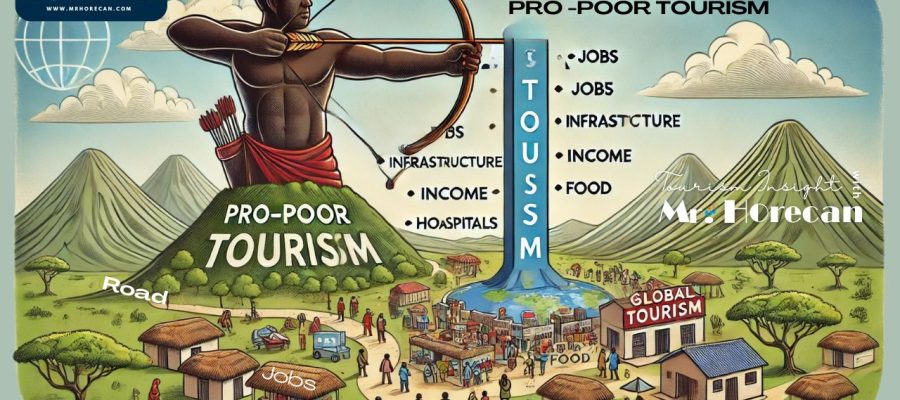
Building on that foundation, this part focuses on the practical aspects of implementing PPT. We delve into its economic implications, real-world opportunities, implementation challenges, and the transformative impact it can have on local communities. As we shift from theory to practice, our goal is to uncover how PPT can be harnessed to create lasting benefits, despite the common challenges it encounters.
INTRODUCTION
Pro-Poor Tourism (PPT) represents a paradigm shift, particularly in developing regions where traditional tourism models often fail to benefit local communities.
By strategically involving marginalized groups in the tourism value chain, PPT fosters economic inclusivity and significantly reduces poverty. While the potential
of PPT is vast, implementing it presents a range of challenges. This article reflects on the economic opportunities, difficulties, and impact of PPT, emphasizing
how it can create long-lasting community benefits when effectively harnessed.
ECONOMIC IMPLICATIONS OF PRO-POOR TOURISM
PPT holds substantial economic potential, especially in countries where tourism can serve as a critical economic driver. Actively integrating marginalized
communities into tourism activities supports inclusive growth and poverty reduction. This process generates employment across sectors like hospitality,
guiding, crafts, and local services, while encouraging small and medium-sized enterprises such as guesthouses, tour operators, and food vendors.
Communities traditionally reliant on agriculture discover new income sources through tourism. The economic multiplier effect means tourist spending indirectly
boosts other sectors, including agriculture and transportation. Additionally, sourcing goods and services locally—by hotels, restaurants, and tour providers—
ensures that revenues remain within the community, further stimulating local economies.
OPPORTUNITIES AND SUCCESS STORIES
Across Africa and the global South, communities are embracing PPT to highlight cultural assets and foster economic independence. Cultural tourism attracts
visitors to experience unique traditions, crafts, music, and festivals. Eco-tourism, through community-managed parks, not only generates income but also
protects ecosystems. Homestay programs and community lodges offer immersive cultural experiences while creating direct income streams. Local guides lead
historical and cultural tours, providing both education and employment. Culinary tourism introduces travelers to indigenous dishes, enhancing cultural
exchange and food-based enterprise.
In Kenya, the Maasai Mara’s community-led wildlife conservancies blend conservation with tourism, reinvesting safari and lodge revenues into education,
health, and infrastructure. In rural Thailand, community-run homestays allow tourists to experience traditional life, with profits supporting local development and heritage preservation. These examples show how community-driven tourism initiatives can create sustainable income while preserving identity.
"Pro-Poor Tourism offers a bold path for transforming marginalized communities by turning tourism into a driver of economic inclusion, cultural pride, and environmental stewardship. This section explores how PPT creates opportunities, confronts challenges, and reshapes communities for a more just and sustainable future."
"Pro-Poor Tourism offers a bold path for transforming marginalized communities by turning tourism into a driver of economic inclusion, cultural pride, and environmental stewardship. This section explores how PPT creates opportunities, confronts challenges, and reshapes communities for a more just and sustainable future."
CHALLENGES IN IMPLEMENTATION
Despite its promise, PPT faces hurdles. Infrastructure remains a critical issue—poor roads, unreliable electricity, and limited water access restrict tourism
development in remote areas. Service quality and hygiene standards can also fall short of expectations, reducing the appeal of local offerings. Financial
barriers persist, as many communities lack access to capital or tourism training. Furthermore, cultural commodification and unequal benefit distribution can
breed resistance and internal conflict.
IMPACT ASSESSMENT: TRANSFORMING COMMUNITIES
When effectively implemented, PPT yields profound social, economic, and environmental benefits. Socially, it increases household income and promotes
community solidarity. Women often gain through involvement in craft-making, hospitality, and management, promoting gender equity. Economically, PPT fuels
local employment and builds skills through training initiatives. Environmentally, tourism income is used to protect wildlife and adopt sustainable practices like
recycling and eco-friendly waste disposal.
SUMMARY AND CONCLUSION
Pro-Poor Tourism presents a unique and transformative opportunity for marginalized communities by advancing economic inclusion, cultural resilience, and ecological conservation. While challenges remain—such as infrastructure deficits, financial barriers, and internal resistance—strategic planning and genuine
community engagement can make PPT an effective tool for inclusive development.
KEY TAKEAWAYS:
- PPT as a Paradigm Shift: Pro-Poor Tourism challenges traditional tourism models by intentionally integrating marginalized communities into the tourism value chain, promoting economic inclusivity and poverty alleviation.
- Economic Potential: PPT creates local employment, fosters small and medium-sized enterprises (SMEs), diversifies community income sources, and strengthens local economies through the tourism multiplier effect.
- Opportunities for Communities: Cultural tourism, eco-tourism, homestay programs, community lodges, heritage tours, and culinary tourism offer sustainable ways for communities to benefit while preserving their cultural and natural heritage.
- Success Stories: Real-world examples from Kenya and Thailand demonstrate that when communities manage tourism enterprises, it can simultaneously promote development, cultural preservation, and conservation.
- Challenges to Implementation: Infrastructure deficits, service quality issues, limited access to capital, cultural commodification, and unequal benefit distribution pose significant barriers to successful PPT implementation.
- Social, Economic, and Environmental Impact: When implemented effectively, PPT improves livelihoods, empowers women, fosters community solidarity, protects biodiversity, and encourages sustainable tourism practices.
- Need for Strategic Planning and Community Engagement: Overcoming PPT’s challenges requires deliberate strategies, capacity-building efforts, and genuine local participation to ensure tourism truly benefits host communities.
LOOKING AHEAD THE NEXT PART:
In Part Three of this series, we will outline actionable strategies for governments, community leaders, private businesses, NGOs, and even tourists. We’ll
explore step-by-step approaches that turn PPT ideals into real-world initiatives, ensuring sustainable tourism that empowers and uplifts local communities.
Stay tuned for practical insights that bring Pro-Poor Tourism to life.